Pressure Washing Chemicals: Essential Guide for Beginners
As you launch your pressure washing venture, understanding chemicals is crucial for handling diverse stains and delivering pro-level results. These agents boost your washer's power against tough buildup, but proper use prevents harm to surfaces or the environment. This guide highlights Sodium Hypochlorite (SH), ideal for most organic issues, and explores specialized options to equip you for a wide range of jobs.
Sodium Hypochlorite (SH): The Core Chemical
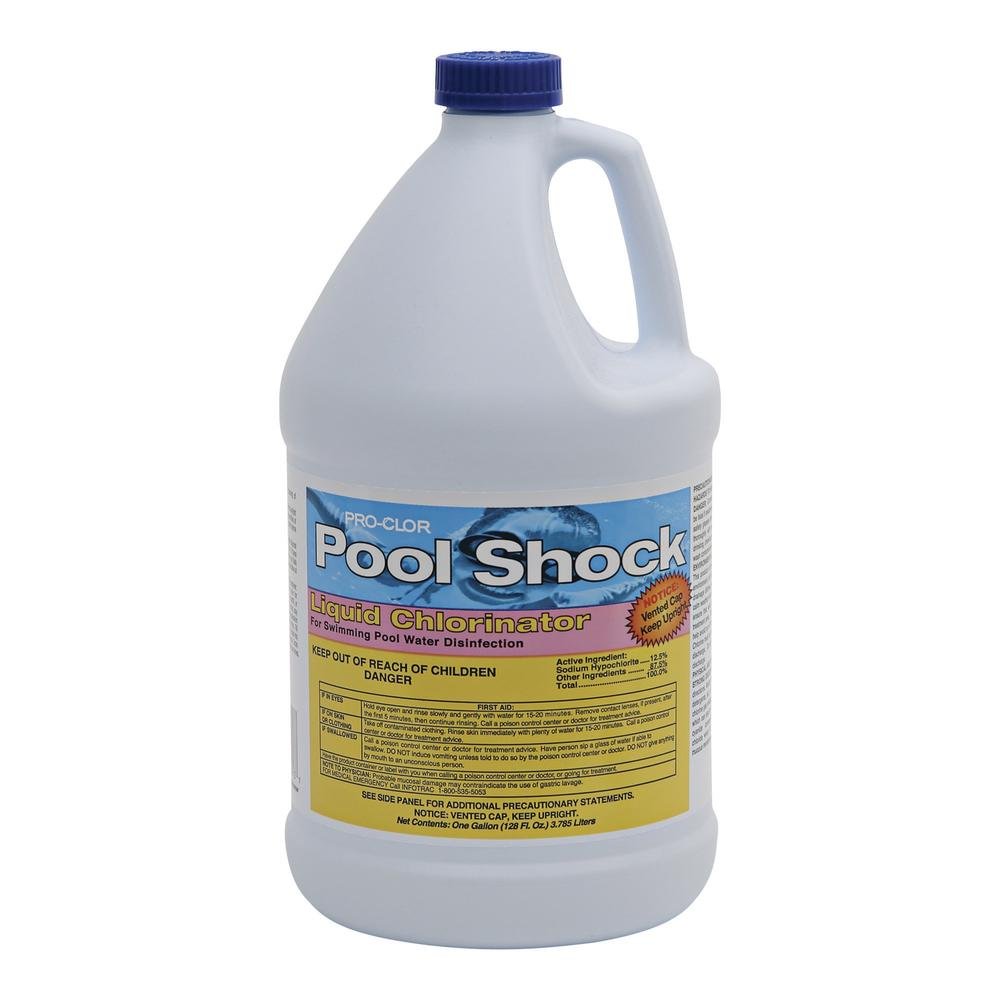
SH, or sodium hypochlorite, is the backbone of pressure washing, excelling at destroying organic contaminants like algae, mildew, and moss. As the key element in bleach and pool treatments, it's economical and potent, killing growth at its source for enduring cleans. Ideal for 90% of tasks, SH needs careful dilution to suit the stain and material—excess can corrode. Obtain 12.5% SH from retailers like Menards, Walmart, or pool stores for economical bulk buys.
SH Mix Flowchart
Use this flowchart to select the optimal SH strength based on surface and growth type. Begin with: Is it alive?
Asphalt Shingles: 3-6% SH
Painted Metal: 1-3% SH (test first)
Clay Tile: 4-6% SH
Galvalume/Wood: No SH
Raw Concrete: 3-6% SH
Painted Concrete: 2-3% SH (test first)
Asphalt/Blacktop: No SH
Raw Pavers: 2-6% SH
Vinyl Siding: 1-2% SH
Painted Aluminum/Hardie: 1-2% SH (test first)
Brick: 2-4% SH
Wood: No SH
Stucco: 4% SH
Natural Stone: No SH
Watch the Beginner's Guide to SH
Application Methods for SH
Choose based on required strength and job efficiency:
- Downstreaming: Easy entry point; injector draws ~10% SH after pump. Suits 1-2% for vinyl. Pros: Low-cost (~$30), straightforward. Cons: Strength capped; manage rinse buckets.
- X-Jetting: Wand injector for up to 1:1 ratio. Fits roofs/concrete (3-6%). Pros: Economical, concentrated mix. Cons: Haul chemical; less ideal for vast spaces.
- Pump Sprayer: Flexible mixes up to 12.5%. Suits spot work. Pros: Cheap, adaptable. Cons: Labor-intensive for big areas; dedicate per chemical to prevent reactions.
- Soft Wash System: 12V pump for blends (0-12.5%). Pro-level control. Pros: Versatile ratios. Cons: Reliability varies; maintain backups.
Enhance with bleach-stable surfactant for better surface cling, improving dwell and penetration. Rinse fully to eliminate residue.
Specialized Chemicals for Non-Organic Stains
SH handles living growth, but inorganic problems demand specific formulas. Master these to broaden your offerings and tackle commercial challenges effectively.
Rust Removal
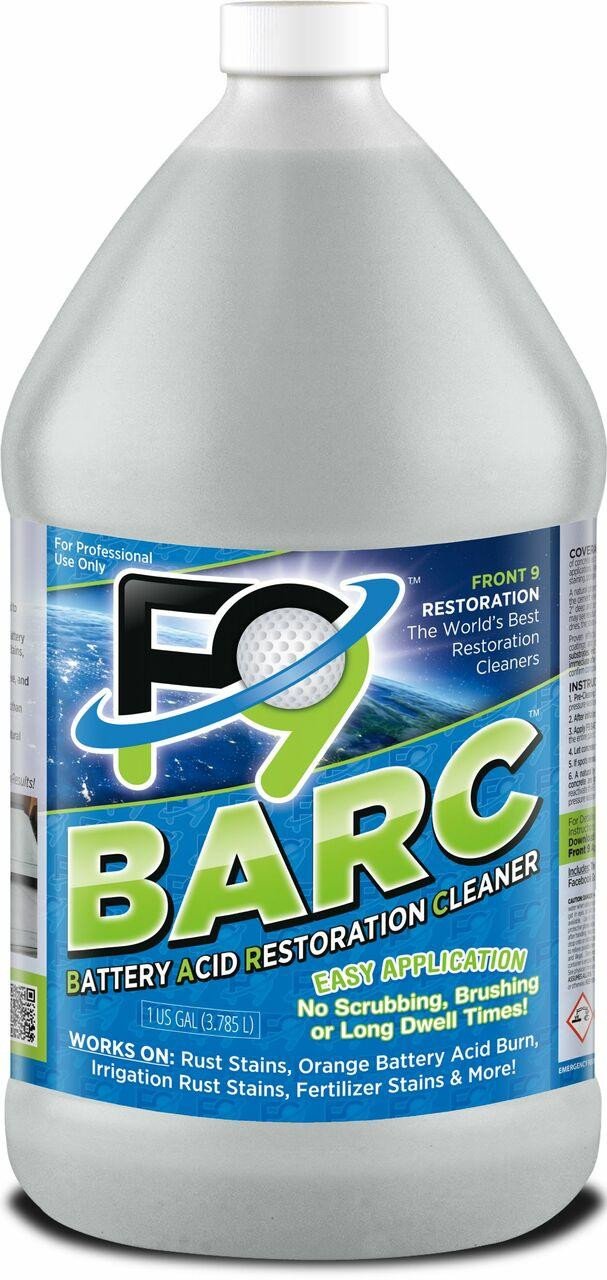
Rust from irrigation or fertilizers mars concrete and vinyl. F9 BARC, an acid-based remover, dissolves iron effectively but costs more. Dilute, dwell, and rinse; uniform treatment prevents lightening. Test painted areas. For complete steps and safety, visit our rust removal guide.
Degreasers for Oil/Grease
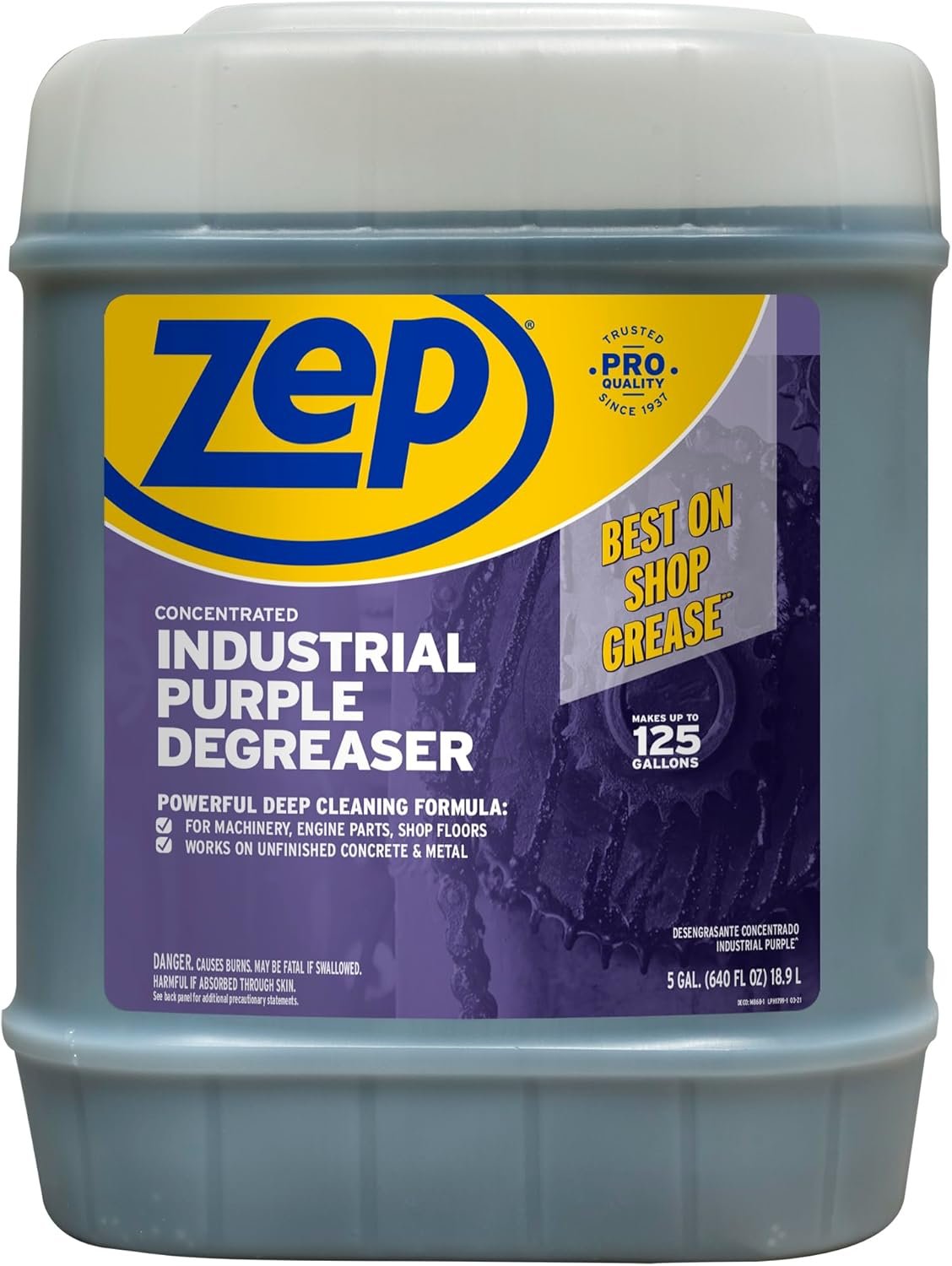
Grease on driveways or lots needs potent degreasers to emulsify oils. Zep Purple is a value option for routine tasks—dilute, agitate, rinse. F9 Double Eagle tackles embedded grime. Pre-wet, apply, brush if necessary, contain runoff. Upsell for commercial lots; multiple passes may be needed for aged stains.
Efflorescence Remover
White salty efflorescence on concrete results from moisture drawing minerals out. F9 Efflo safely breaks it down without deep etching—apply, brush, rinse well. Before/after shows removal of crusty layers to reveal fresh concrete. Great add-on for patios; avoid on sealed surfaces.
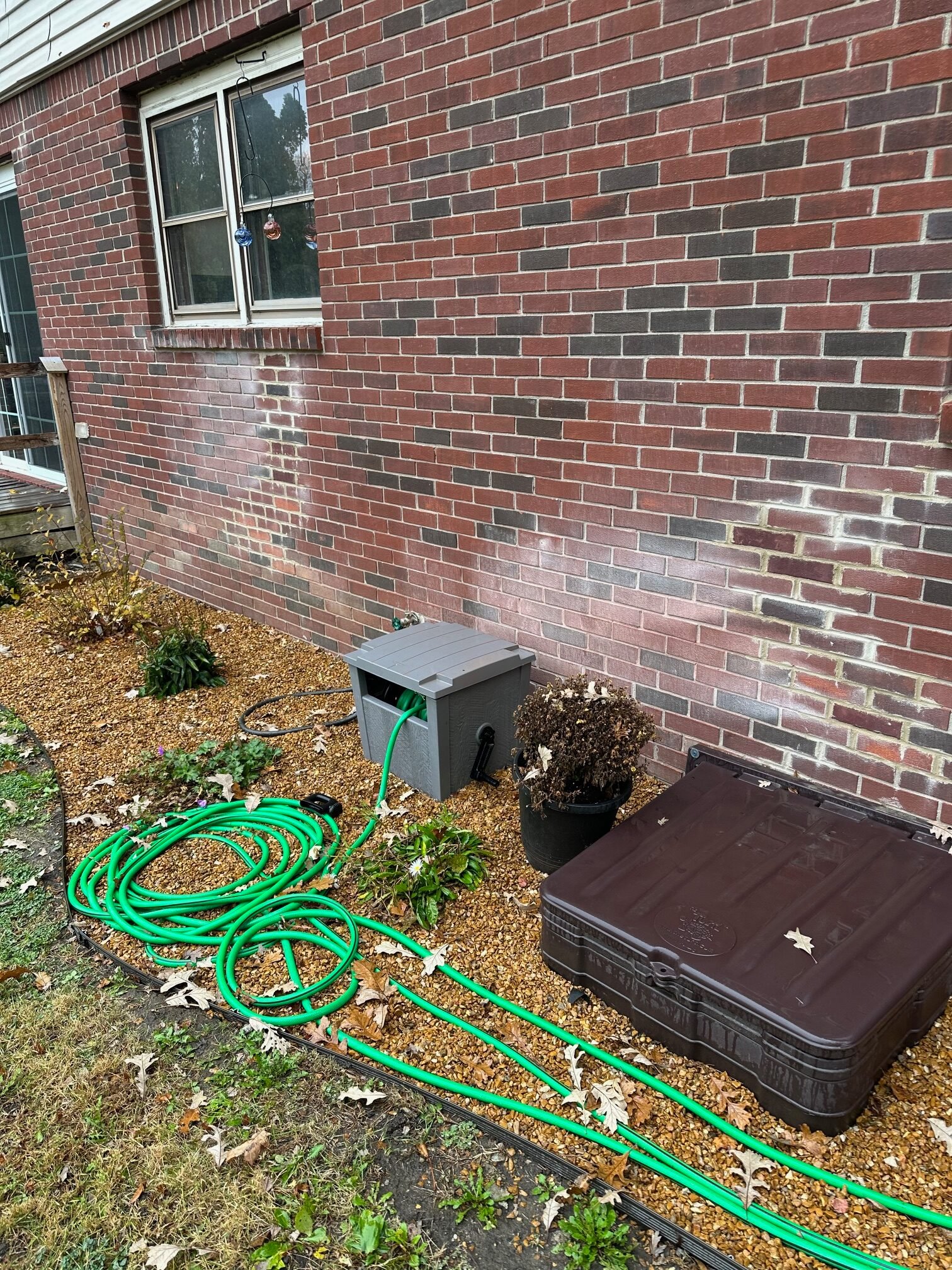
Before: Crusty deposits
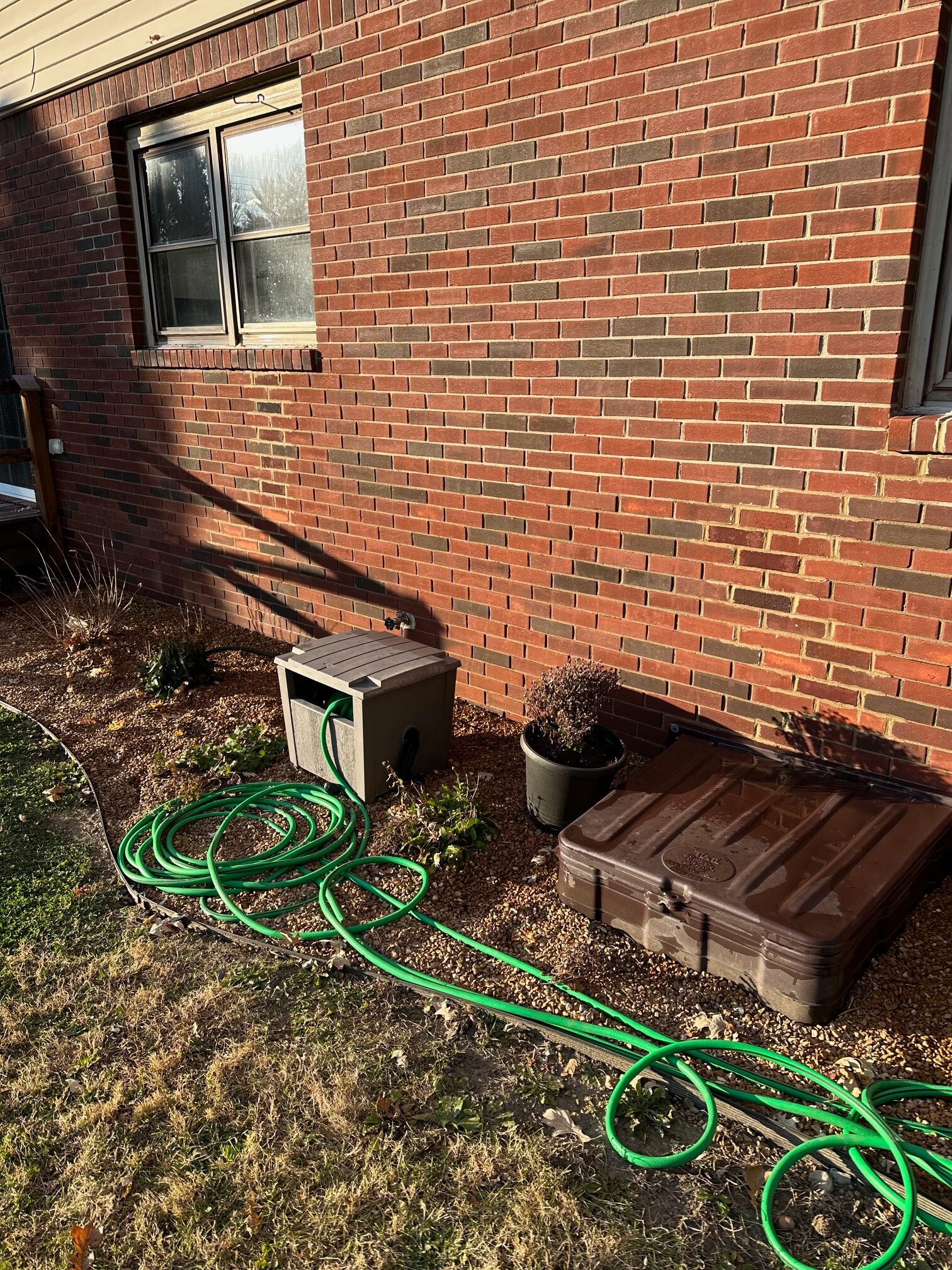
After: Smooth concrete
Alucobond Panels / Car Dealerships
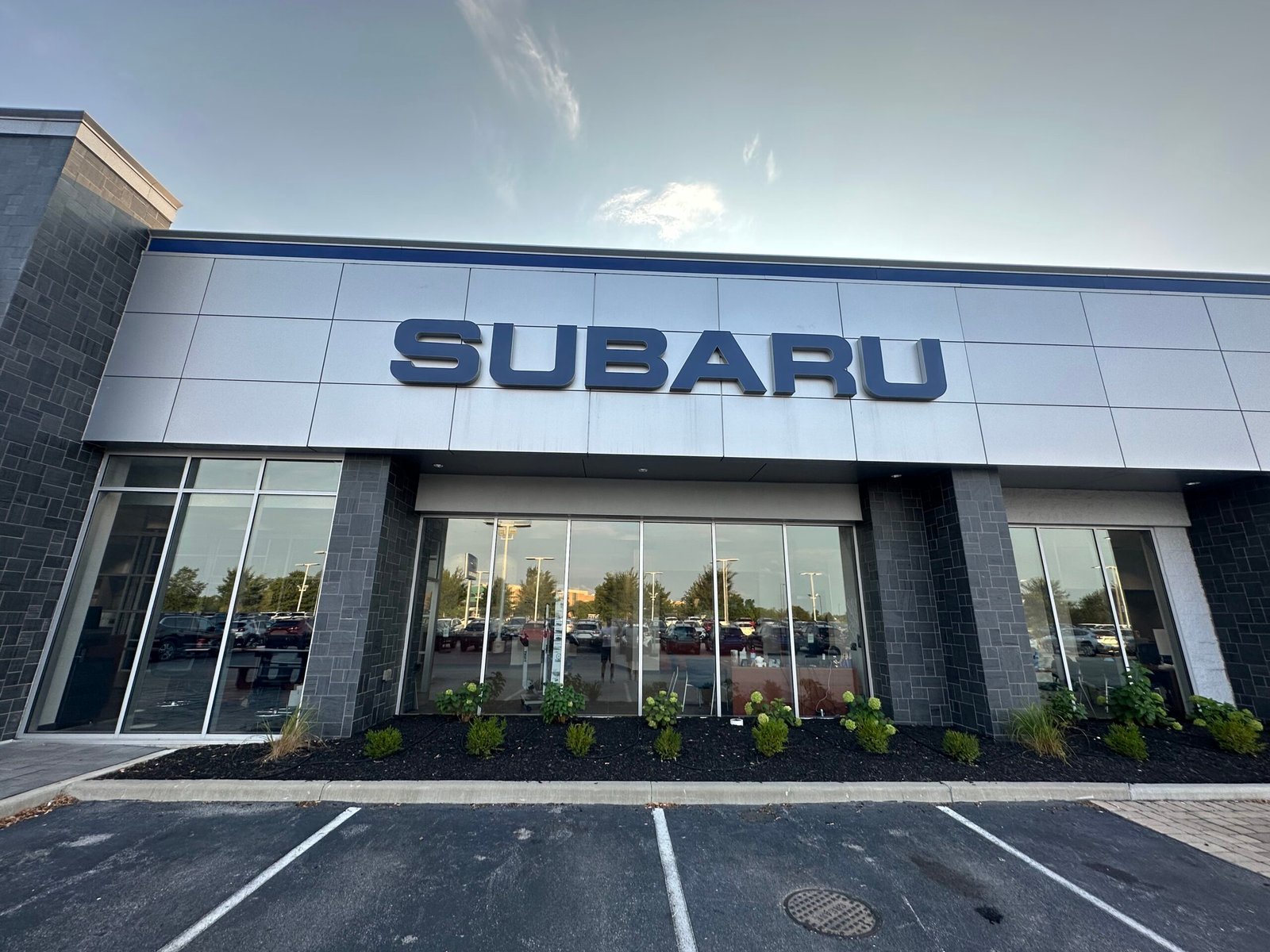
Alucobond, aluminum composite panels on dealerships and banks, develop black streaks from runoff. Use gentle cleaners like Purple Magic (diluted 50/50) or Dragon Juice; downstream, brush lightly, rinse with pure water to prevent streaks. Avoid strong SH on dark panels. For full technique, check our Alucobond cleaning guide.
Tips for Safe Chemical Use
Always prioritize protection: Don PPE, test patches, dilute precisely. Rinse completely; manage runoff. For SH, source 12.5% affordably; surfactant enhances cling. Grow your skills with these for varied jobs.
Ready to learn more? Dive into equipment, techniques, and business formation. We provide website building, hosting, and SEO packages to elevate your business.